
Introduction
Temporomandibular Joint Disorders (TMJD) are one of the most prevalent health issues in adult populations. About 10-15% of the population is affected by it, but still only around 5% of them seek treatment. Women are more affected by it than men.
Symptoms they experience may include a moderate level of discomfort, unnatural movement of the jaw, tinnitus, and headaches, among others. Parafunctional activity is among the primary causes of TMJD. Clenching and bruxism are two widely known parafunctional behaviours among medical experts. Repetitive use of jaw muscles due to teeth grinding is known as bruxism.
Stress can cause teeth grinding, adding to the stress on the TMJ. Hence, it is important to understand the interrelationship of these variables, understand their criticality, and take appropriate treatment measures. When patients consult the health expert, they design a customised treatment plan to ensure faster healing. Instead of ignoring the symptoms, thinking that it will heal on its own, it is an ideal practice to take the consultant’s opinion.
What Is TMJ Disorder?
TMJ is a hinge mechanism connecting the jawbone to the skull. TMJD can cause noticeable health problems such as pain in the jaw joint areas and the muscles that move the chin desirably. These help with many daily human activities such as talking, chewing, and moving the mouth.
The TMJ disorder is a common health problem in adults in the age range of 20-40. About 20-60% of people in India experience this adverse health condition, and about 20 million people in the USA. Females are more likely to experience this condition compared to their male counterparts.
While it is difficult to detect the actual causes easily, it may be a set of factors resulting in the disorder. This includes nail biting, gum chewing, crushing of teeth, and stress. However, the resulting pain and discomfort may have a short life, which may vary from one person to another. Good, the condition is significantly treatable. It also seldom causes long-term complications.
Self-administered home care, in addition to using a mouth guard and physical therapy for the jawline, can produce desirable health improvements. However, surgery is the last resort when home remedies and other basic treatments have failed.
Common Symptoms of TMJ Dysfunction
Some common symptoms can tell whether you are carrying TMJ dysfunction. This may include:
- Tenderness or pain in the chin area
- Pain in either or both sides of the mandibular junction
- A continuous noticeable pain both in and around the ear
- Difficulty in chewing food
- Noticeable pain while chewing food
- Locking of the joint muscles of the mouth, making the opening and closing of the mouth difficult to manage
- Neck pain
- Headache
- Eye pain
- Pain in the teeth accompanied by sensitivity in the jawline area
- Different obvious sounds such as popping and clicking
- Shoulder pain
In addition to a clicking sound, some may also experience a grating sensation, especially when opening the mouth for chewing food. But if the clicking sound is a standalone symptom and not accompanied by limited movement of the chin or pain, it is likely the condition is not concerning. In such a case, you may not need treatment. However, if the sound co-exists with symptoms as listed, it is better to consult a healthcare expert.
How Stress Leads to Teeth Grinding
The number of self-reported incidences of teeth grinding among adults are more who also report anxiety and stress. While the actual causality between teeth grinding and stress has received limited attention, undoubtedly, there is a close relationship between these two variables.
It is a commonly known fact that stress can affect sleep quality and the quality of rest. Poor sleep quality can also lead to a higher occurrence of bruxism at night. According to a study, most episodes of teeth clenching happen during Non-Rapid Eye Movement Sleep (non-REM) sleep compared to REM sleep.
Additionally, people show some clear physical changes in times of stress, such as faster breathing and tensing of muscles. Like other muscles, those in the jaw region can also tense up during times of stress. This may trigger unconscious clenching of teeth.
The Relationship Between Bruxism and TMJ
People who have a habit of gnashing their teeth may not necessarily develop TMJD. Contrarily, those who experience their upper and lower teeth not fitting properly may develop the disorder. Misalignment of the bite pushes oral tissues to perform extra work, such as repositioning the tissue from its place to support proper bite alignment. This way, it can contribute to TMJD.
According to researchers at the New York University (NYU) College of Dentistry and the Weill Cornell Medical College, there is no relationship between Bruxism and TMJ. However, a 2020 NAM report notes some studies that claim a connection between ‘sleep bruxism’ and mandibular sickness.
Henceforth, existing scientific studies offered conflicting thoughts on teeth clenching and mandibular sickness. On the contrary, dental experts believe that there is a clear relation between the two. They believe that the additional effort required during gnashing of teeth causes an extra burden on the jaw muscles, resulting in a feeling of discomfort. A prolonged intermittent session of such discomfort can trigger mandibular dysfunction.
Gnashing of teeth can lead to additional issues such as inflammation of the tissues supporting the jawline function. Each of these conditions can get worse due to psychological factors such as stress.
Diagnosis and Treatment Options
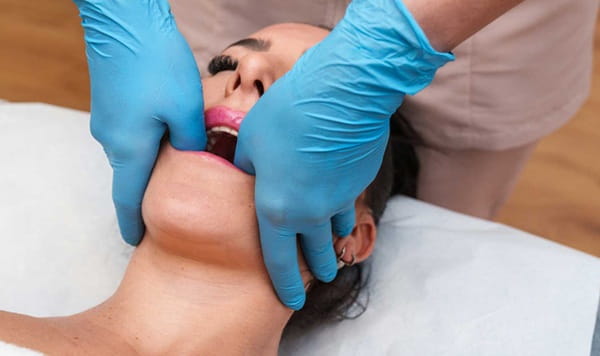
In order to diagnose whether a person is carrying TMJD, they need to consult an expert in the field of dentistry. The expert may conduct a physical exam to check the jaw movement. If this exam doesn’t produce any major findings, the dentist may request to undergo imaging tests. They will perform this to find out any evident signs of stiffness in the tissues.
Early treatment intervention is crucial to prevent any further complications and treat the Craniomandibular joint disorders. There are various treatment options available; however, they are segmented into two broad categories. One is a treatment that involves medication, therapy, and others. The other is going for surgery if the condition is significantly concerning.
Therefore:
- Using pain relievers to reduce both pain and inflammation
- Use of hot and cold packs to reduce swelling and pain
- Undergoing physical therapy to realign jaw tissues and reinforce their motion
- Use of a mouth guard while sleeping to prevent gnashing of teeth
- Saying no to sticky, hard, and chewy foods
In case the condition is severe and seems beyond the control of medications and other alternatives, your dentist may also consider surgical options. There are a few surgery options also available, including open joint surgery.
When to Get Professional Help?
Importantly, a temporary sensation of pain or discomfort during chewing or swallowing of chewy and hard foods does not represent a serious condition. But if the condition persists, it is time to consider this more than just temporary pain. The frequency of occurrence, intensity of pain or uneasiness, and interruption noticed in daily routine are known as common indicators of seeking an expert opinion. When you notice any of the following, it is time to consult the Best TMJ Specialist in Kolkata: Dr. Prabhjeet Singh Sethi.
If you are noticing such signs:
- Stiffness and pain in the mouth tissues are constant
- An opening and closing of the mouth happen along with a popping or clicking sound
- Limited movement of mouth tissues alongside mouth locking
- No obvious reason is evident for the frequent earaches or headaches
- Obvious pain at the time of speaking and chewing
Conclusion
TMJD pain grows gradually with time. If left untreated instead of seeking proper professional help on time, this can create serious symptoms such as headaches. Good news: It is absolutely treatable with timely diagnosis and early intervention at the Best Dental Clinic in Kolkata, i.e., Dontia Care Clinic-Dental. Depending on individual circumstances, the healthcare expert can also suggest a personalised treatment plan that can help heal the problem faster.